Alameda Theater

The Alameda Story, A Cultural Gem

ALAMEDA THEATRE HISTORY

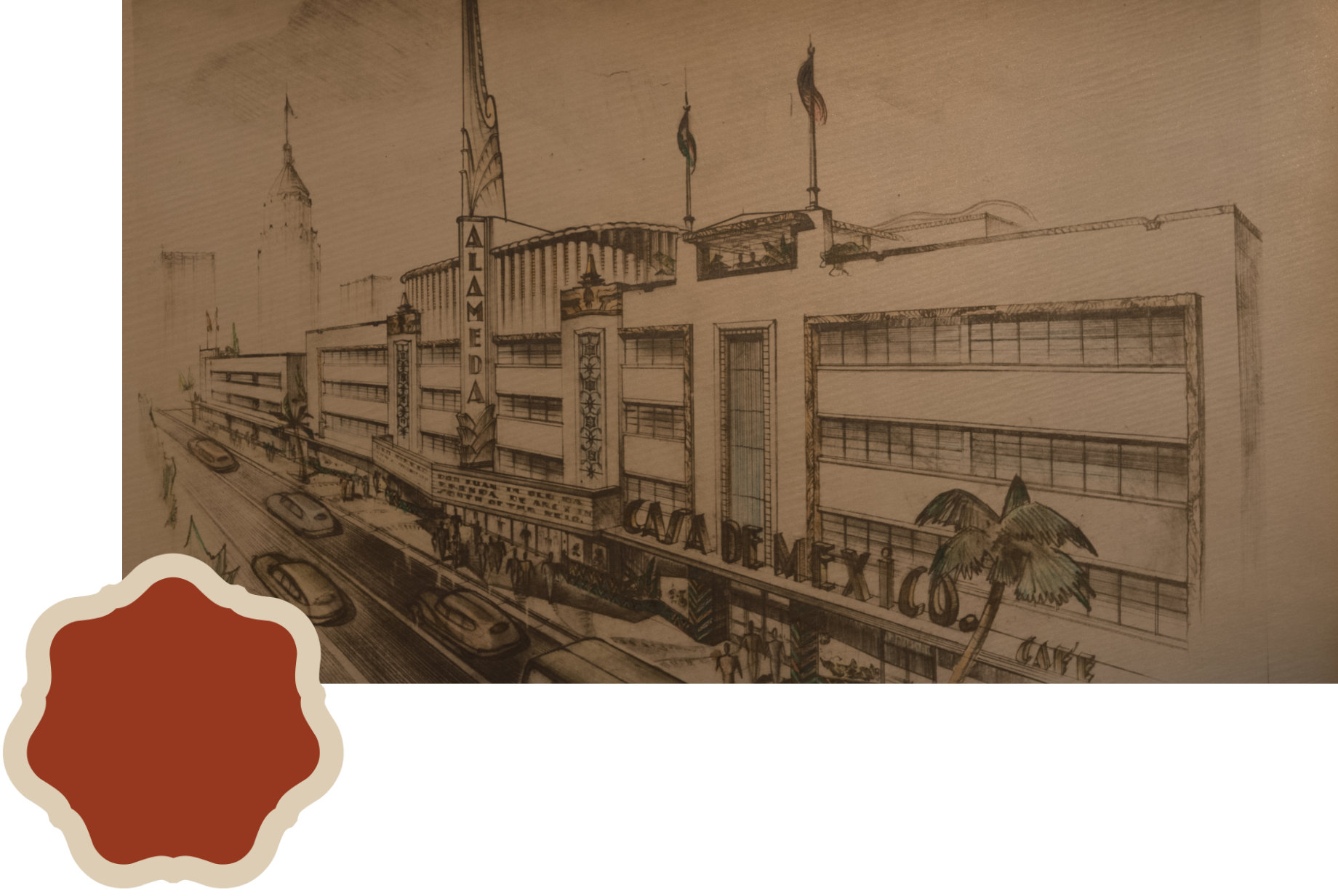
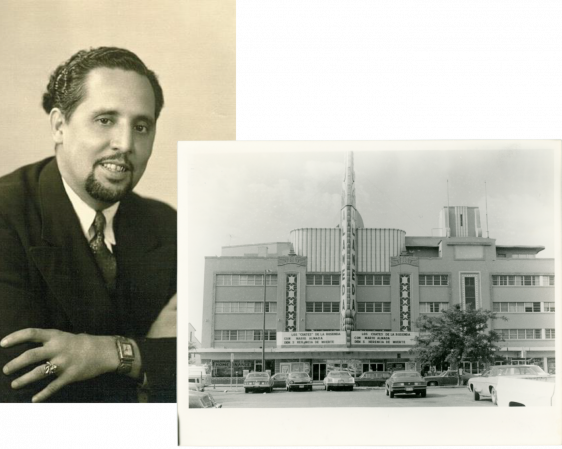
The vision of Gaetano A. Lucchese, the Alameda was designed by N. Straus Nayfach and completed in 1949.

With a seating capacity of 2,400, it quickly earned the distinction of being the largest theater in the United States dedicated to Spanish-language films and performing arts.

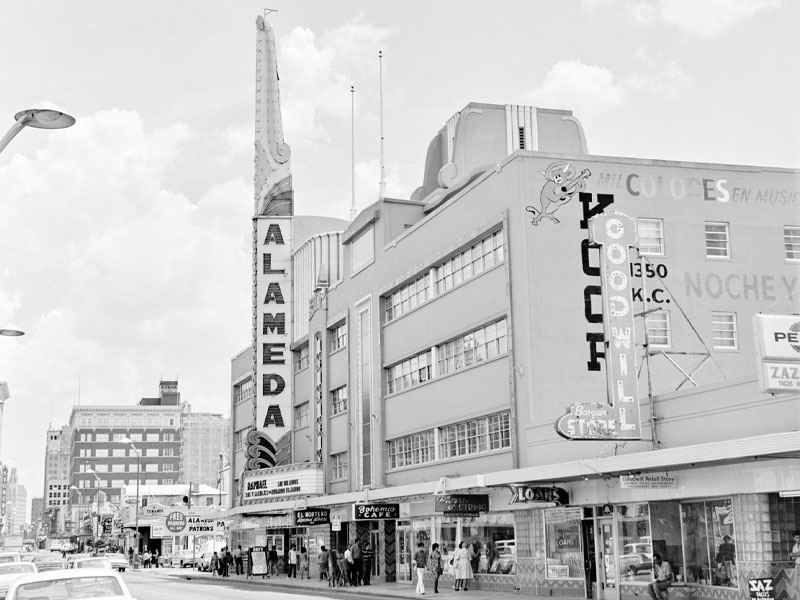
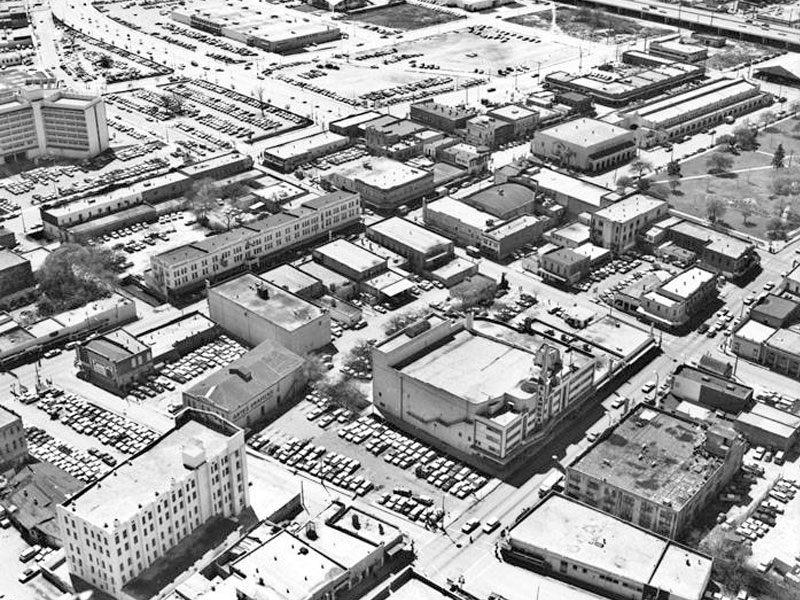
More than just a theater, the Alameda became a welcoming cultural hub at a time when segregation limited access for many Mexican Americans. All were invited to experience the magic of film and live performance. Known lovingly as “The People's Theater,” the Alameda offered community members a place of joy, pride, and cultural connection. After the theater closed in the 1980s, the City of San Antonio acquired the property in 1995 and the dream of its revival has never faded.

Architecture

INTERIOR HIGHLIGHT

Blacklight Murals

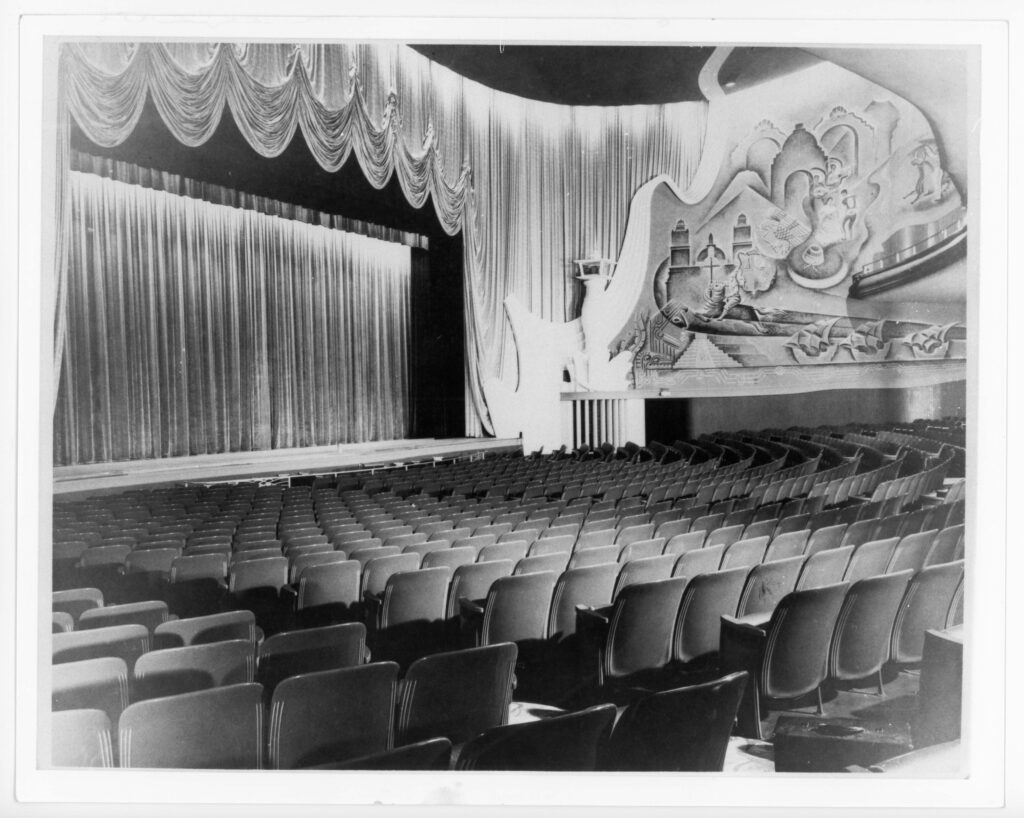
The auditorium features two phosphorescent blacklight murals depicting the histories of Texas and Mexico.

The murals were designed by San Antonio artist Pedro Teran and rendered by Frank Lackner of the Hanns Teichert Company in Chicago. The murals owe much to the Mexican mural tradition, with gestural images at either end progressing into detailed scenes toward the stage. Lackner layered fluorescent paints rather than blending them, which enhances the murals’ striking 3-D appearance when lit. The Smithsonian Institution declared the murals to be an international treasure as the largest surviving example of a brief trend in theater design that flourished in the 1940s and 1950s.

INTERIOR HIGHLIGHT

Plexiglass Panels

Overlooking the first-floor lobby, the mezzanine is lined with etched, painted Plexiglas panels featuring tropical foliage.

The walls on the mezzanine and orchestra levels feature similar vegetation, reportedly pulled directly from Nayfach’s sketches from his travels in Mexico.

INTERIOR HIGHLIGHT

Streamline Features

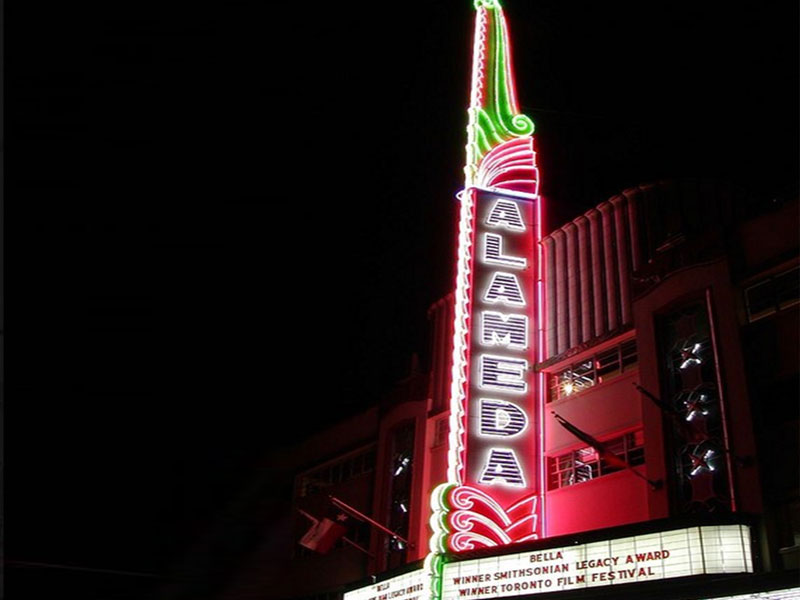
Curved walls, recessed ceilings, and vibrant colors reflect the theater’s signature Streamline Moderne aesthetic.

INTERIOR HIGHLIGHT

Tilework and Lighting

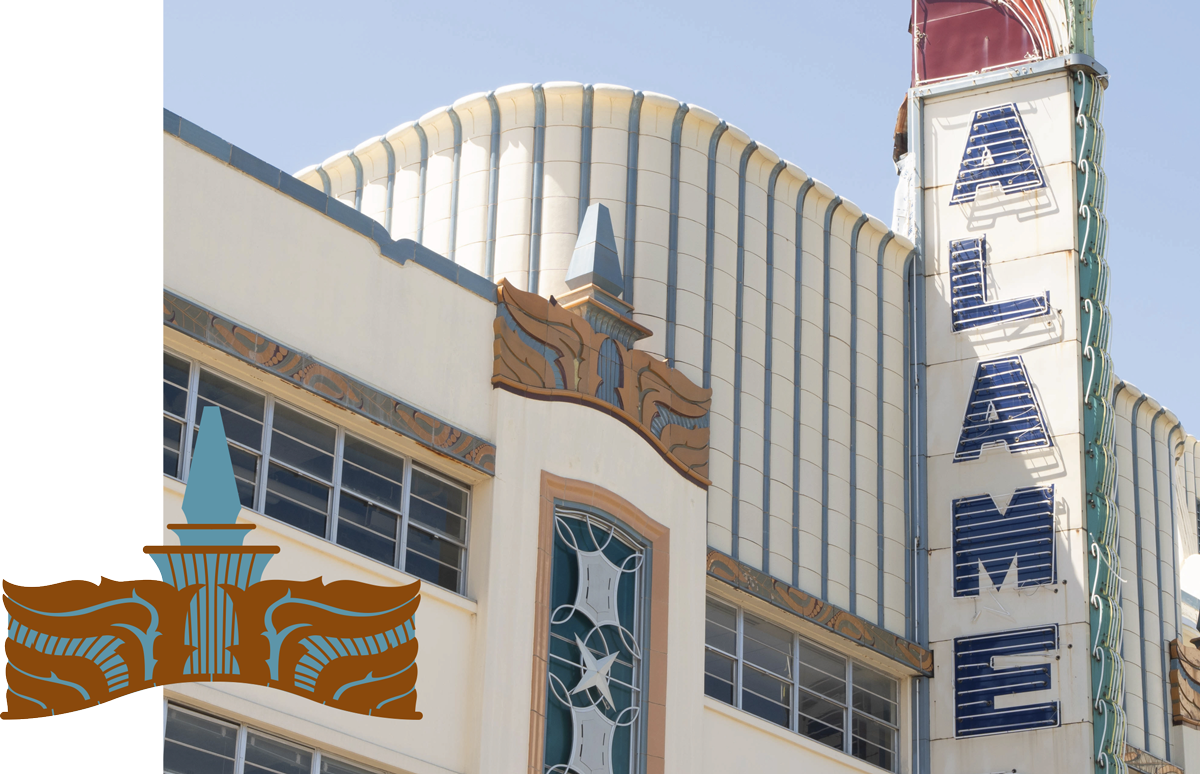
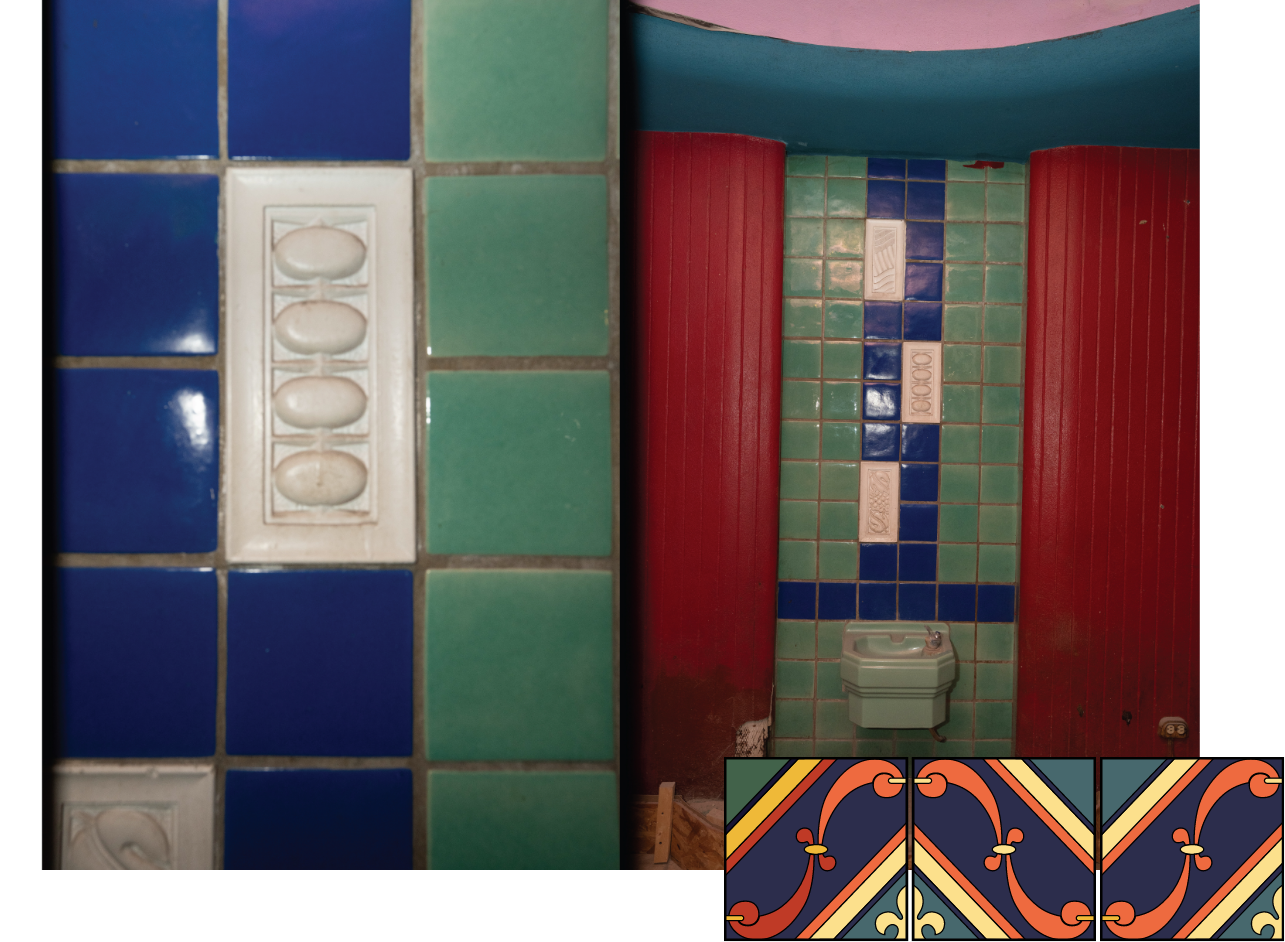
Decorative glazed tiles extend from the Houston Street façade throughout the interior.

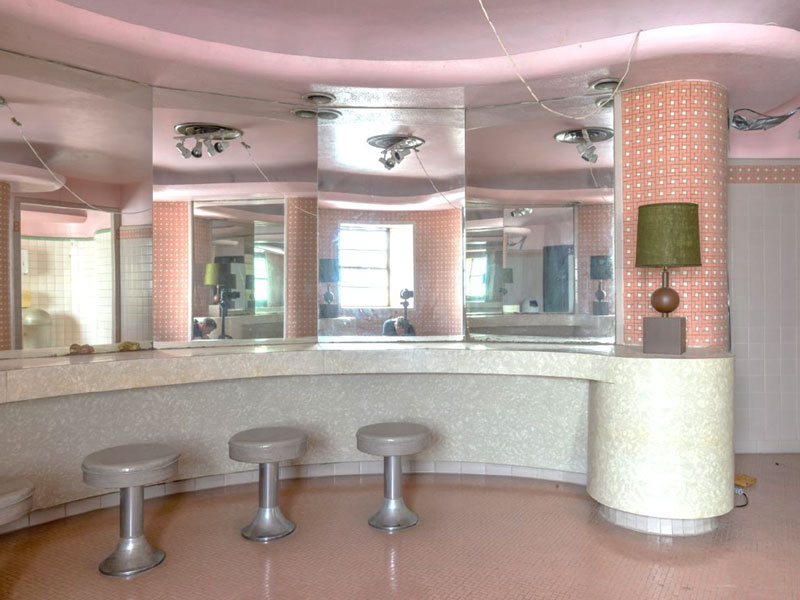
Unique Plexiglas light boxes provide wayfinding and signage. The second-floor women’s restroom is particularly noted for its intricate pink tile design.

CULTURAL ROOTS

The Golden Age of Mexican Cinema and Music

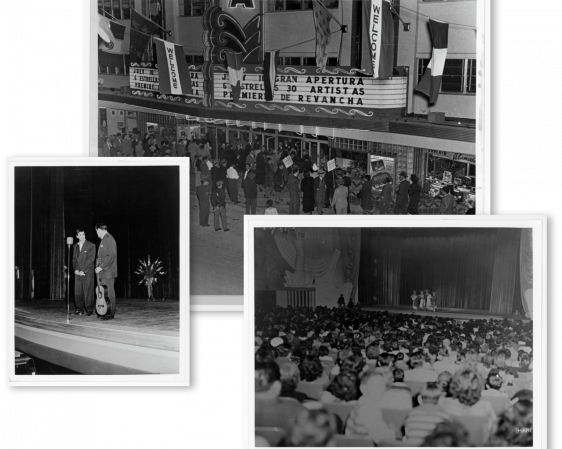
After its opening, the Alameda Theater was a cultural epicenter that welcomed legendary performers from the golden age of Mexican cinema and music.

Among the many icons who performed were Pedro Infante, the beloved actor and singer hailed as a symbol of Mexico’s cinematic golden era; Mario Moreno, otherwise known as Cantinflas, who was a celebrated Mexican comic film actor; Maria Félix, also known as La Doña, one of the most glamorous and influential actresses of the 20th century; and Vincente Fernández, the Grammy and Latin Grammy award-winning singer who remains one of the best selling Mexican artists of all time. With a vibrant lineup of Spanish-language films, variedades, and theatrical productions, the Alameda served as a beacon of Latino arts and culture, entertaining thousands and cementing its role in the cultural heart of San Antonio.

golden-age
building-tenants

A CIVIC & CULTURAL HUB

Building Tenants

The Alameda Theater complex also served as a vital civic and cultural hub, housing the Mexican Consulate, the first Hispanic Chamber of Commerce in the United States, and KCOR, one of the nation’s first Spanish-language radio stations, which began broadcasting from San Antonio on February 15, 1946.
English

× Close